

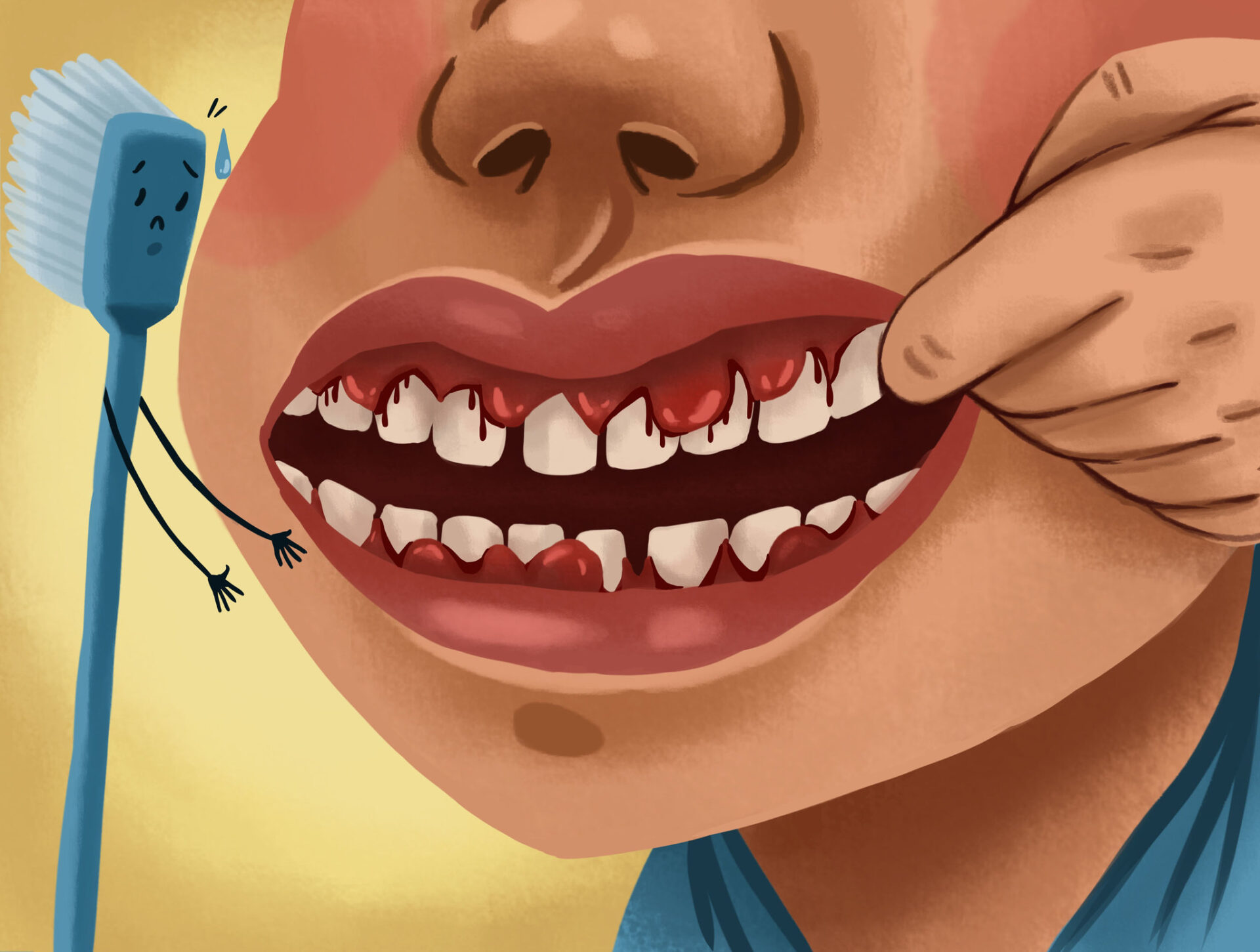
Gum health is a vital component of overall oral care, yet it is often overlooked in favor of focusing solely on teeth. Healthy gums not only support teeth but also reduce the risk of systemic health issues such as heart disease, diabetes, and inflammation-related complications. Gum problems, including gingivitis and periodontitis, can affect anyone in the family, from children to seniors. Understanding the causes, prevention strategies, and available treatments for gum disease helps families maintain strong teeth, fresh breath, and optimal oral health for life. By adopting proper hygiene routines and seeking professional guidance when necessary, families can prevent gum disease and maintain resilient, healthy gums.
Causes and Risk Factors of Gum Disease
Gum disease is primarily caused by plaque buildup along the gumline, which leads to inflammation and infection. Poor oral hygiene, irregular brushing or flossing, and a diet high in sugar contribute to the accumulation of plaque and tartar. Other factors, such as hormonal changes during puberty or pregnancy, smoking, stress, and certain medical conditions, can increase susceptibility to gum problems. Genetics also play a role, meaning some family members may be more prone to gum disease despite maintaining good hygiene.
Environmental and lifestyle factors further influence gum health. Frequent consumption of acidic or sugary foods creates an ideal environment for harmful bacteria, while dry mouth conditions reduce natural saliva protection. Poorly fitted dental appliances or misaligned teeth can trap food particles and increase gum irritation. By understanding the combination of personal, genetic, and environmental factors, families can identify at-risk members and implement strategies to reduce the likelihood of gum disease.
Preventive Measures for Healthy Gums
Maintaining gum health requires consistent oral hygiene practices at home. Brushing teeth twice daily with a soft-bristled toothbrush, flossing to remove plaque between teeth, and using an antimicrobial mouth rinse help prevent gum inflammation. For children, supervision during brushing and flossing ensures proper technique, while adults and seniors benefit from targeted routines that address sensitivity or gum recession. A balanced diet rich in vitamins and minerals, particularly vitamin C and calcium, strengthens gum tissue and supports healing.
Professional dental care also plays a critical role in prevention. Regular checkups and cleanings allow dentists to remove tartar buildup, monitor gum condition, and detect early signs of disease. Preventive treatments such as scaling, root planing, or fluoride applications can protect vulnerable areas and halt disease progression. By combining home care with routine professional interventions, families maintain optimal gum health and reduce the risk of serious complications.
Treatment Options for Gum Disease
Gum disease treatment depends on the severity of the condition. Early-stage gingivitis can often be reversed with improved oral hygiene, professional cleanings, and lifestyle adjustments. More advanced periodontitis may require specialized treatments, including deep cleaning procedures like scaling and root planing, antibiotics to control infection, or surgical interventions to restore gum tissue and bone structure. Timely treatment reduces the risk of tooth loss and improves overall oral health.
Adjunct therapies, such as antimicrobial rinses, laser treatments, or guided tissue regeneration, support traditional methods and enhance healing. Dentists may recommend personalized care plans that consider age, medical history, and severity of gum disease. With consistent follow-up and adherence to oral hygiene practices, families can manage gum conditions effectively and maintain strong, healthy teeth for the long term.
Lifestyle Habits to Promote Gum Health
Healthy lifestyle choices complement dental care in maintaining gum health. Avoiding tobacco products, limiting alcohol consumption, and reducing sugary or acidic foods help prevent inflammation and decay. Regular exercise and stress management support overall immunity, which is important for gum tissue repair and infection prevention. Hydration also plays a role, as saliva helps neutralize acids and wash away bacteria from the mouth.
For families, creating consistent routines and encouraging positive habits ensures that every member participates in gum care. Children benefit from structured brushing and flossing, while adults model and reinforce these practices. Seniors may require additional strategies to manage dry mouth, sensitivity, or mobility challenges. Integrating lifestyle adjustments with professional care and home hygiene creates a comprehensive framework for maintaining healthy gums at every stage of life.
FAQs
What are the first signs of gum disease?
Swollen, red, or bleeding gums, persistent bad breath, and tender or receding gums are early indicators.
Can gum disease be reversed?
Early-stage gum disease (gingivitis) can often be reversed with proper oral hygiene and professional cleanings.
Are children at risk of gum disease?
Yes, children can develop gingivitis, especially if oral hygiene is inconsistent or diets are high in sugar.
What treatments are available for advanced gum disease?
Scaling and root planing, antibiotics, surgical procedures, laser therapy, and guided tissue regeneration are common treatments.
How can I prevent gum disease at home?
Brush twice daily, floss once daily, use antimicrobial rinses as recommended, and maintain a balanced diet.
Does smoking affect gum health?
Yes, tobacco use significantly increases the risk of gum disease and slows healing of gum tissue.
How often should adults and seniors have dental checkups?
Most adults and seniors should visit the dentist every six months, though high-risk individuals may require more frequent visits.
Can diet influence gum health?
Yes, a diet rich in vitamins, minerals, and protein supports gum tissue health, while sugary and acidic foods can increase risk.
Are there any home remedies for gum inflammation?
Saltwater rinses, proper brushing and flossing, and antimicrobial mouth rinses can help reduce mild inflammation, but professional care is essential for persistent issues.
Is gum disease linked to overall health?
Yes, untreated gum disease is associated with systemic conditions such as heart disease, diabetes, and respiratory infections.
Conclusion
Gum health is essential for maintaining strong teeth, preventing infection, and supporting overall wellness. By combining consistent oral hygiene, professional dental care, preventive treatments, and healthy lifestyle habits, families can protect their gums and reduce the risk of complications at any age.
Understanding the causes of gum disease, recognizing early symptoms, and seeking timely treatment ensures that children, adults, and seniors maintain optimal oral health. Prioritizing gum care fosters confidence, promotes wellness, and lays the foundation for a lifetime of strong, healthy smiles.
