

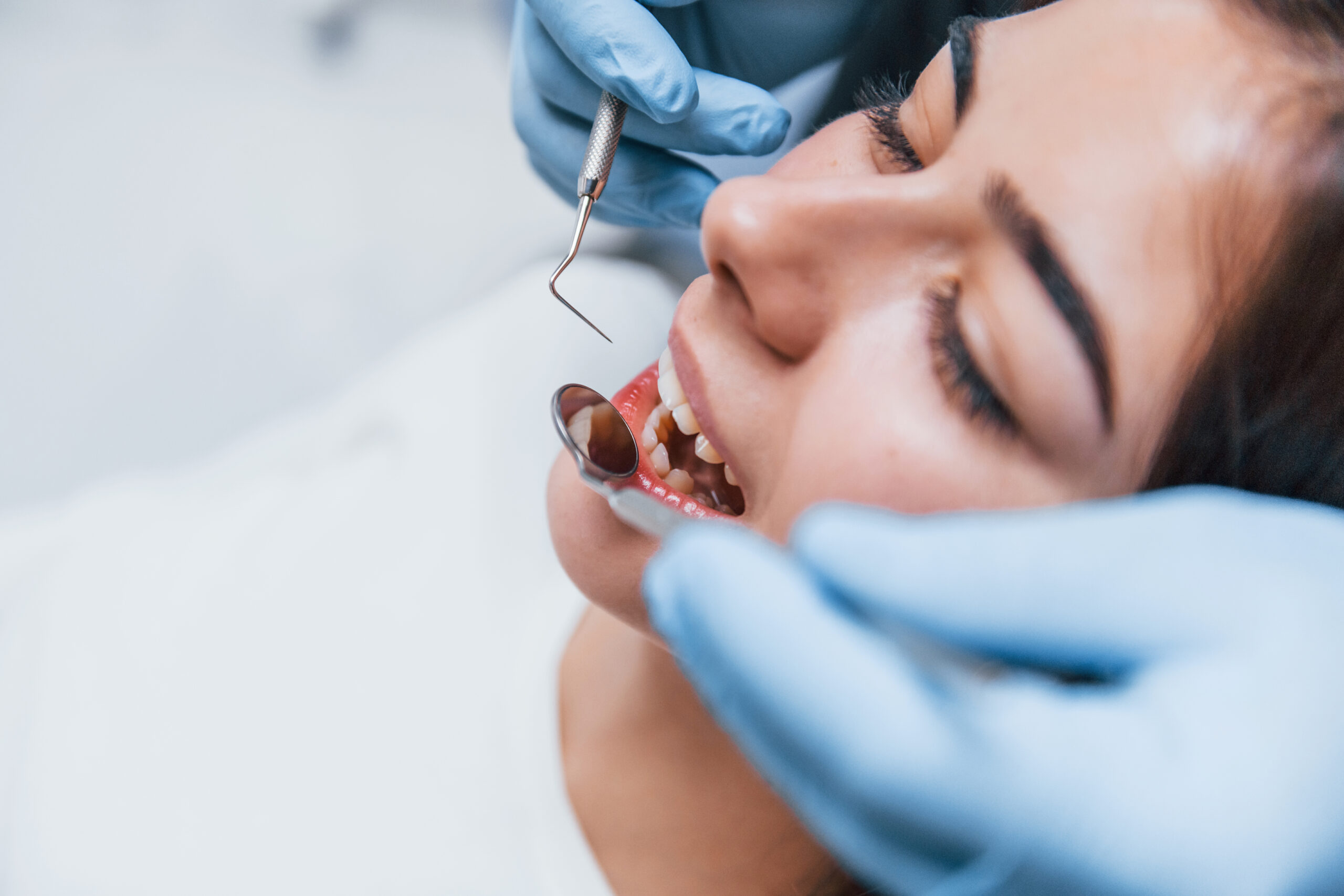
Gum health is essential for maintaining strong teeth, preventing infection, and supporting overall oral wellness. Healthy gums provide a foundation for teeth, help prevent tooth loss, and reduce the risk of systemic health issues such as heart disease and diabetes. Gum problems, including gingivitis and periodontitis, can affect people of all ages, from children to seniors. Understanding the causes, preventive strategies, and treatment options for gum disease enables families to maintain strong, resilient gums, promote long-term oral health, and enjoy confident, pain-free smiles throughout life.
Causes and Risk Factors of Gum Disease
Gum disease begins when plaque, a sticky film of bacteria, accumulates along the gumline. Without proper removal through brushing and flossing, the bacteria irritate gums, causing inflammation, bleeding, and eventually infection. Poor oral hygiene, diets high in sugar, smoking, stress, hormonal changes, and certain medical conditions all contribute to the development of gum problems. Genetics may also make some individuals more susceptible to gum disease regardless of hygiene practices.
Environmental and lifestyle factors further affect gum health. Frequent consumption of acidic foods or drinks, dry mouth conditions, and misaligned teeth can increase bacterial buildup and gum irritation. Family habits, such as inconsistent oral care routines or irregular dental visits, influence the likelihood of developing gum disease. Recognizing these factors helps families adopt proactive measures to prevent or manage gum issues effectively.
Preventive Measures for Healthy Gums
Maintaining gum health requires consistent oral hygiene practices at home. Brushing twice daily with a soft-bristled toothbrush, flossing to remove plaque between teeth, and using antimicrobial mouth rinses can prevent gum inflammation. For children, parental supervision ensures proper technique and habit formation, while adults and seniors should address issues such as gum recession or sensitivity. A diet rich in vitamins, minerals, and antioxidants, particularly vitamin C and calcium, strengthens gums and supports tissue repair.
Professional dental care is equally important in prevention. Regular checkups and cleanings allow dentists to remove hardened tartar, monitor gum condition, and detect early signs of disease. Treatments such as scaling, root planing, and topical antimicrobial applications protect vulnerable areas and prevent progression. Combining home care with professional intervention ensures optimal gum health and reduces the risk of serious complications for all family members.
Treatment Options for Gum Disease
The treatment of gum disease depends on its severity. Early-stage gingivitis can often be reversed with improved oral hygiene and professional cleaning. Advanced periodontitis may require specialized care, including deep cleaning procedures, antibiotics, laser therapy, or surgical interventions to restore gum and bone health. Timely treatment prevents tooth loss, controls infection, and restores proper oral function.
Adjunct therapies enhance traditional treatment outcomes. Antimicrobial rinses, guided tissue regeneration, and minimally invasive laser techniques reduce inflammation and promote healing. Dentists tailor treatment plans based on individual needs, age, and overall health. Regular follow-up and adherence to recommended oral hygiene routines are critical to ensuring long-term success and maintaining healthy, resilient gums for the whole family.
Lifestyle Habits to Promote Gum Health
Healthy lifestyle habits complement dental care in maintaining gum health. Avoiding tobacco, limiting alcohol, reducing sugary and acidic foods, staying hydrated, and managing stress all contribute to strong gums. Saliva production, immune function, and overall health are influenced by these factors, which help prevent inflammation and infection.
Families can create routines that encourage consistent gum care. Children benefit from supervised brushing and flossing, adults model proper habits, and seniors adapt routines to accommodate sensitivity or mobility limitations. Integrating lifestyle choices with professional care and home hygiene ensures optimal gum health across all ages, supporting long-term oral and overall wellness.
FAQs
What are the first signs of gum disease?
Red, swollen, or bleeding gums, persistent bad breath, and gum tenderness are early indicators.
Can gum disease be reversed?
Early-stage gingivitis can often be reversed with proper oral hygiene and professional cleaning.
Are children at risk for gum disease?
Yes, children can develop gingivitis, especially with inconsistent oral care or high-sugar diets.
What treatments are available for advanced gum disease?
Deep cleaning, antibiotics, laser therapy, and surgical interventions are common treatment options.
How can I prevent gum disease at home?
Brush twice daily, floss regularly, use recommended mouth rinses, and maintain a balanced diet.
Does smoking affect gum health?
Yes, tobacco use increases the risk of gum disease and slows healing.
How often should I visit the dentist for gum health?
Most patients should have dental checkups every six months; higher-risk individuals may need more frequent visits.
Can diet influence gum health?
Yes, a diet rich in vitamins, minerals, and antioxidants strengthens gum tissue and reduces inflammation.
Are there home remedies for mild gum inflammation?
Saltwater rinses, proper brushing and flossing, and antimicrobial mouth rinses can help, but persistent issues require professional care.
Is gum disease linked to overall health?
Yes, untreated gum disease is associated with heart disease, diabetes, and other systemic conditions.
Conclusion
Healthy gums are essential for maintaining strong teeth, preventing infection, and supporting overall wellness. Families who adopt consistent oral hygiene routines, professional care, preventive treatments, and healthy lifestyle habits can prevent gum disease and maintain resilient gums.
Children, adults, and seniors all benefit from proactive measures, early detection, and timely treatment. Prioritizing gum health ensures strong teeth, confident smiles, and long-term oral and overall health for every family member.
