

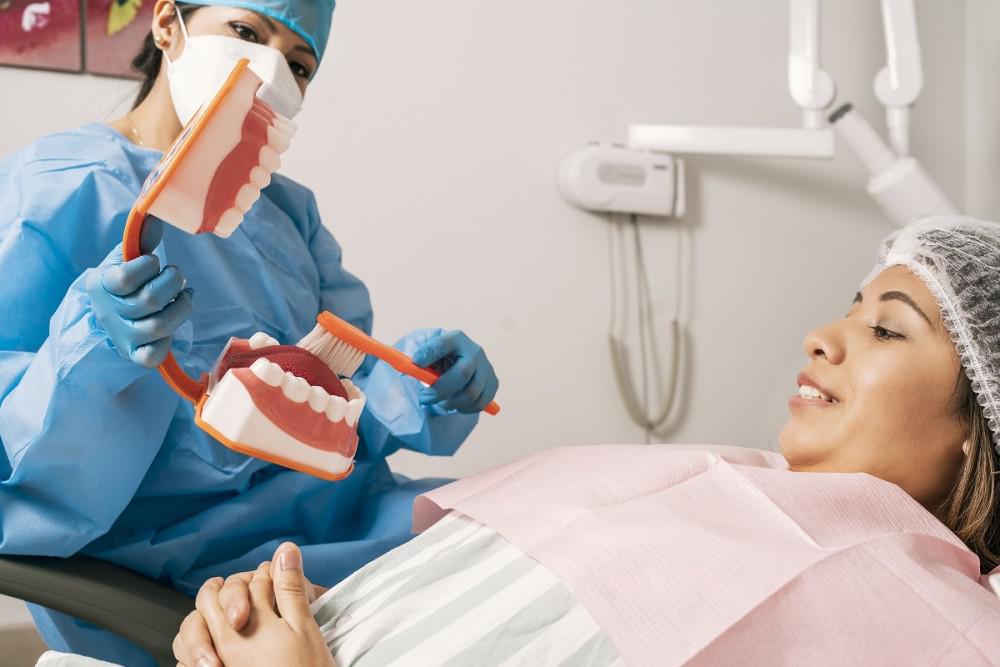
Preventive dentistry focuses on maintaining healthy teeth and gums to avoid dental problems before they occur. Regular checkups, professional cleanings, fluoride treatments, sealants, and patient education are essential components of preventive care. Families benefit by reducing the risk of cavities, gum disease, tooth loss, and other complications, while minimizing the need for invasive procedures. Establishing preventive routines early in life ensures children develop strong oral habits, adults maintain long-term dental wellness, and seniors preserve function and aesthetics. By prioritizing prevention, families can enjoy healthier teeth, confident smiles, and reduced dental stress throughout life.
Routine Checkups and Cleanings
Regular dental visits are a cornerstone of preventive dentistry. Checkups allow dentists to examine teeth, gums, and oral structures for early signs of cavities, gum disease, or alignment issues. Professional cleanings remove plaque and tartar that cannot be eliminated by brushing and flossing alone, reducing the risk of decay and periodontal disease.
For children, routine visits foster positive dental experiences and early detection of developmental concerns. Adults benefit from monitoring restorations, detecting hidden cavities, and maintaining gum health, while seniors receive evaluations for age-related changes such as tooth wear, gum recession, or prosthetic needs. Consistent professional care ensures problems are addressed promptly, supporting long-term oral health for the entire family.
Fluoride Treatments and Dental Sealants
Fluoride strengthens enamel, making teeth more resistant to decay. Professional fluoride applications, combined with fluoride toothpaste and water, significantly reduce the risk of cavities for children and adults. Sealants provide an additional layer of protection by covering deep grooves on molars, which are particularly vulnerable to decay.
Children benefit most from sealants, as newly erupted molars are highly susceptible to cavities. Adults with deep fissures or previous dental restorations also gain protection from sealants. Incorporating these preventive treatments into dental care routines enhances tooth durability, reduces the need for restorative procedures, and supports long-term oral wellness for all family members.
Education and Oral Hygiene Practices
Preventive dentistry emphasizes patient education to reinforce proper oral hygiene habits. Brushing twice daily with fluoride toothpaste, flossing daily, and using mouth rinses reduce plaque buildup, protect gums, and prevent decay. Families are taught techniques that are effective for children, adults, and seniors, ensuring hygiene practices are age-appropriate and thorough.
Education also includes dietary guidance to limit sugar and acidic foods, promote calcium-rich nutrition, and encourage adequate hydration. Teaching children proper brushing and flossing techniques early fosters lifelong habits, while adults and seniors benefit from reinforced hygiene routines. Combining education with consistent practice ensures a proactive approach to oral health.
Early Detection and Risk Assessment
Preventive dentistry allows for early detection of oral health problems before they progress into serious conditions. Dentists perform risk assessments, evaluate family history, and monitor potential indicators of cavities, gum disease, or oral cancer. Identifying issues early reduces the need for complex procedures, preserves natural teeth, and minimizes discomfort.
Children benefit from monitoring tooth development and eruption patterns, while adults can prevent worsening of cavities, gum inflammation, and other complications. Seniors receive assessments for restorative needs, bone health, and oral tissue changes. Early detection, combined with preventive measures, ensures effective management of oral health across all ages.
Lifestyle Integration for Preventive Care
Lifestyle habits play a critical role in preventive dentistry. Limiting sugary snacks, avoiding tobacco, maintaining hydration, and managing stress all contribute to oral health. Regular exercise and proper nutrition support gum and tooth strength, complementing professional care and daily hygiene.
Families that integrate lifestyle choices with preventive dentistry experience long-term benefits. Children develop strong teeth and positive habits, adults prevent deterioration and maintain aesthetics, and seniors preserve oral function and overall wellness. A comprehensive approach combining lifestyle, hygiene, education, and professional care ensures optimal dental health for the whole family.
FAQs
What is preventive dentistry?
Preventive dentistry focuses on maintaining oral health to prevent cavities, gum disease, and other dental problems.
How often should families visit the dentist?
Most patients should visit every six months, though frequency may vary based on risk factors and age.
Are fluoride treatments safe?
Yes, fluoride treatments are safe and effective for strengthening enamel in children and adults.
What are dental sealants?
Sealants are protective coatings applied to molars to prevent cavities in deep grooves and fissures.
Can preventive dentistry reduce the need for fillings?
Yes, early detection, hygiene, and preventive treatments reduce the occurrence of cavities and restorative procedures.
Do children need special preventive care?
Yes, children benefit from fluoride, sealants, and guidance on proper brushing, flossing, and diet.
Is preventive care important for adults?
Absolutely, adults prevent cavities, gum disease, and monitor restorations to maintain oral health.
How does preventive dentistry help seniors?
Seniors benefit from monitoring for tooth wear, gum recession, prosthetic needs, and maintaining oral function.
Can lifestyle choices impact preventive care?
Yes, diet, hydration, avoiding tobacco, and good habits enhance the effectiveness of preventive measures.
Does preventive dentistry save money in the long run?
Yes, preventing problems reduces the need for costly treatments and preserves natural teeth.
Conclusion
Preventive dentistry is essential for maintaining strong teeth, healthy gums, and long-term oral health for families. By combining regular checkups, cleanings, fluoride treatments, sealants, and education, children, adults, and seniors can prevent dental problems before they arise.
Integrating preventive care with proper oral hygiene and healthy lifestyle choices ensures lasting dental wellness, reduces the need for invasive procedures, and supports confident, healthy smiles throughout life. Families that prioritize prevention experience better oral health outcomes and improved overall well-being.
