

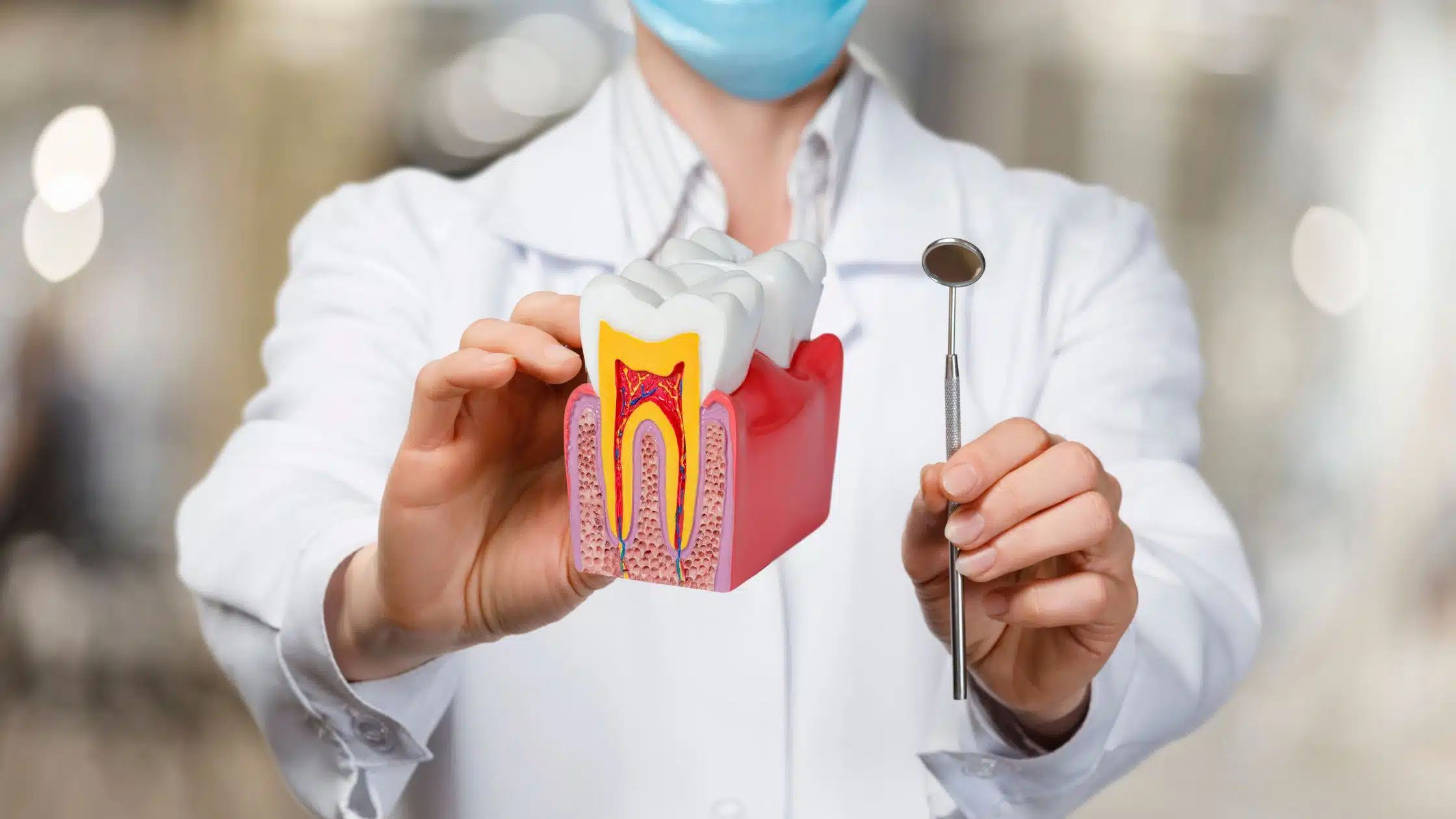
Modern dental technology has transformed oral care, making treatments faster, more accurate, and more comfortable for patients of all ages. From digital imaging to laser dentistry and 3D printing, innovations enhance diagnosis, treatment planning, and preventive care. Families benefit from these advancements because children, adults, and seniors receive personalized, efficient, and minimally invasive dental services. Technology also improves patient experience by reducing discomfort, shortening appointment times, and providing detailed insights into oral health. Understanding the latest dental technologies helps families make informed decisions and ensures optimal care for strong, healthy teeth and gums.
Digital Imaging and Diagnostics
Digital X-rays and intraoral cameras have revolutionized the way dentists detect dental issues. Unlike traditional film X-rays, digital imaging provides high-resolution images with less radiation exposure, allowing dentists to identify cavities, bone loss, or abnormal growths at an early stage. Intraoral cameras provide detailed visuals of teeth and gums, making it easier for patients to understand their oral condition and follow treatment recommendations.
Early detection through advanced imaging is particularly beneficial for children, whose developing teeth require careful monitoring, and adults, who may have hidden decay or gum disease. For seniors, imaging identifies bone loss, tooth deterioration, or issues around restorations that could otherwise go unnoticed. By combining digital diagnostics with routine checkups, families receive accurate, timely care, preventing complications and improving long-term oral health outcomes.
Laser Dentistry and Minimally Invasive Treatments
Laser dentistry allows for precise, minimally invasive treatment of various dental conditions. Lasers are used to treat gum disease, remove decay, reshape soft tissue, and even whiten teeth with less discomfort and faster healing than traditional methods. The precision of lasers reduces the need for anesthesia in certain procedures, making visits more comfortable for children, adults, and seniors.
Laser technology also supports faster recovery, minimal bleeding, and reduced risk of infection. For pediatric patients, it can make dental procedures less intimidating, while adults experience quicker, less invasive treatments. Seniors benefit from reduced trauma and enhanced healing, particularly for sensitive tissues. By incorporating laser dentistry into routine care, families enjoy effective treatments with improved comfort and outcomes.
3D Printing and Custom Dental Solutions
3D printing is transforming the production of dental restorations, including crowns, bridges, dentures, and aligners. This technology allows for precise, customized solutions that fit patients’ teeth accurately, reducing discomfort and improving function. Digital impressions replace traditional molds, providing a more comfortable experience for children and adults alike.
Custom dental appliances created with 3D printing streamline treatment, reduce chair time, and improve patient satisfaction. Orthodontic aligners, night guards, and surgical guides benefit from precise 3D fabrication, enhancing results and efficiency. For seniors, 3D-printed dentures and implants provide better fit, comfort, and longevity. Families gain access to faster, more accurate, and personalized dental care thanks to this technology.
Teledentistry and Remote Monitoring
Teledentistry enables remote consultations, follow-ups, and monitoring of oral health. Patients can receive professional guidance without visiting the office for every minor concern. This technology is particularly useful for busy families, children in school, or seniors with mobility challenges. Dentists can review images, discuss symptoms, and provide advice, ensuring that potential issues are addressed early.
Remote monitoring also supports preventive care by allowing patients to track oral hygiene, receive reminders, and submit progress photos. Parents can monitor children’s dental health between appointments, and seniors can stay engaged with their care plan from home. By integrating teledentistry with in-office treatments, families enjoy flexible, continuous, and convenient dental care.
Combining Technology with Preventive Care
The effectiveness of dental technology is maximized when combined with preventive practices. Routine brushing, flossing, fluoride use, and regular checkups remain essential for maintaining oral health. Technology enhances these efforts by providing early detection, precise treatment, and improved patient education.
Families that embrace both advanced technology and consistent preventive care experience fewer complications, more accurate treatment, and better long-term oral health. Children develop positive experiences with comfortable, minimally invasive care, adults maintain strong teeth and gums, and seniors benefit from customized, efficient solutions that preserve oral function.
FAQs
What is digital imaging in dentistry?
Digital imaging includes high-resolution X-rays and intraoral cameras that allow precise diagnosis with less radiation.
How does laser dentistry benefit patients?
Lasers provide minimally invasive treatment, faster healing, less bleeding, and reduced discomfort.
Can 3D printing improve dental restorations?
Yes, it creates precise, customized crowns, bridges, dentures, and orthodontic appliances for better fit and function.
What is teledentistry?
Teledentistry allows remote consultations, follow-ups, and monitoring of oral health using digital technology.
Is dental technology safe for children?
Yes, technologies like digital imaging and laser treatments are safe and often reduce discomfort for pediatric patients.
How does technology enhance preventive care?
It supports early detection, patient education, and accurate treatments that complement daily oral hygiene practices.
Can seniors benefit from dental technology?
Yes, customized restorations, 3D-printed dentures, and remote monitoring improve comfort, fit, and accessibility.
Do digital X-rays expose patients to more radiation?
No, digital X-rays use significantly less radiation than traditional film X-rays.
How quickly can 3D-printed dental appliances be made?
3D printing reduces fabrication time, often allowing restorations or aligners to be ready in days rather than weeks.
Is technology replacing traditional dental care?
No, technology enhances and complements traditional care, improving accuracy, comfort, and outcomes while preventive practices remain essential.
Conclusion
Advancements in dental technology have revolutionized oral care for families, offering more accurate, comfortable, and efficient treatments. From digital imaging and laser dentistry to 3D printing and teledentistry, technology enhances diagnosis, treatment, and patient experience.
When combined with preventive care, these innovations help children, adults, and seniors maintain strong teeth, healthy gums, and confident smiles. Embracing dental technology ensures families receive precise, effective, and patient-friendly care that supports long-term oral health and wellness.
