

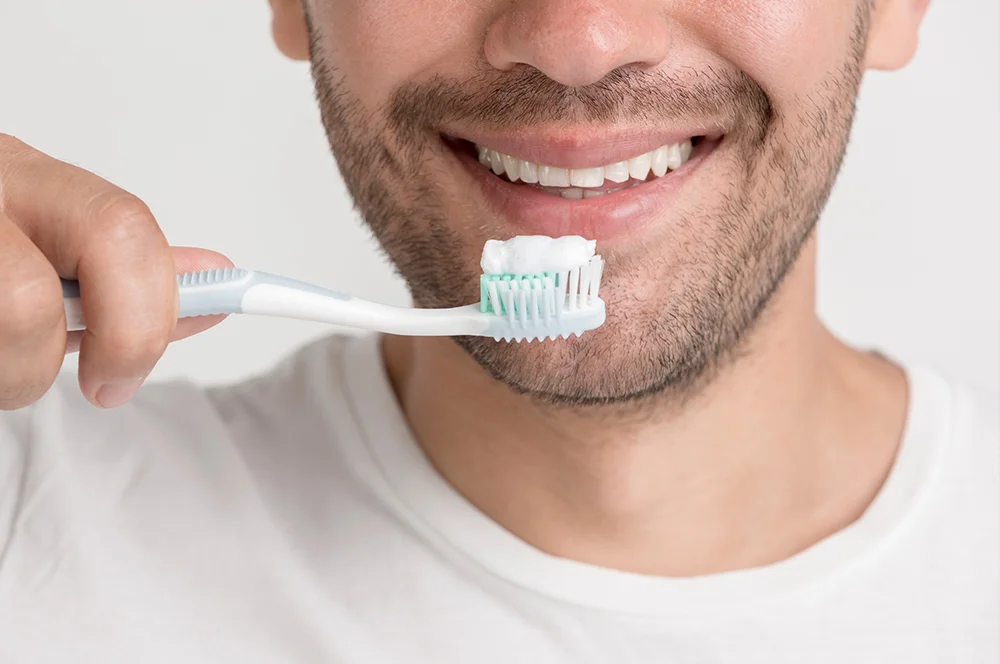
Oral hygiene is the cornerstone of strong teeth, healthy gums, and overall well-being. Daily practices such as brushing, flossing, and rinsing remove plaque, prevent cavities, and reduce the risk of gum disease. Proper oral care is essential for children, adults, and seniors, as neglecting hygiene can lead to pain, tooth loss, and systemic health issues like heart disease or diabetes. Establishing consistent oral hygiene habits early in life promotes lifelong dental health, while regular dental visits complement these routines by identifying problems early and providing professional care that ensures strong, resilient smiles.
Daily Brushing and Flossing
Brushing twice a day with fluoride toothpaste is fundamental to removing plaque and protecting enamel from decay. Using a soft-bristled toothbrush and proper technique ensures effective cleaning without damaging gums. Flossing once daily removes food particles and plaque between teeth, areas that toothbrushes cannot reach. Together, these practices prevent cavities, reduce inflammation, and maintain gum health.
Children should be supervised during brushing and flossing to ensure proper technique, while adults must pay attention to sensitive areas and restorative dental work. Seniors may require modified brushes or water flossers to accommodate limited dexterity or gum sensitivity. Consistency in daily hygiene, combined with patient education, strengthens teeth and gums while preventing long-term dental problems.
Mouth Rinses and Additional Tools
Mouth rinses with antimicrobial or fluoride properties help reduce bacteria, freshen breath, and protect enamel. They are especially useful for individuals with braces, gum sensitivity, or high cavity risk. Interdental brushes, water flossers, and tongue scrapers provide additional cleaning in hard-to-reach areas, enhancing overall oral hygiene and reducing bacterial buildup.
Using these tools as part of a comprehensive routine ensures effective plaque control and supports gum and tooth health. Families benefit when these habits are integrated into daily schedules, teaching children proper hygiene, reinforcing adult practices, and providing seniors with methods suited to their needs. Consistent care minimizes dental problems and enhances comfort and confidence across all age groups.
Nutrition and Oral Health
A balanced diet plays a significant role in maintaining dental health. Foods rich in calcium, phosphorus, and vitamin D strengthen teeth, while crunchy fruits and vegetables help clean teeth naturally and stimulate gums. Reducing sugary snacks, sticky candies, and acidic beverages decreases the risk of cavities and enamel erosion.
Hydration also supports oral health by maintaining saliva flow, which neutralizes acids, washes away debris, and provides protective minerals. Families that adopt nutritious diets alongside proper oral hygiene create an environment that promotes strong teeth and healthy gums. Educating children about healthy food choices establishes lifelong habits, while adults and seniors benefit from dietary strategies that protect teeth and gums.
Professional Care and Preventive Visits
Regular dental checkups and professional cleanings are essential complements to home oral hygiene. Dentists remove hardened plaque and tartar, check for early signs of decay or gum disease, and provide personalized recommendations. Fluoride treatments, sealants, and oral health education further support preventive care, reducing the risk of cavities, gum disease, and other dental issues.
Early intervention is particularly important for children, whose teeth and jaws are still developing, and for adults and seniors, who may have age-related oral challenges. Preventive visits help maintain optimal oral health, detect problems before they become severe, and reinforce good habits learned at home. Families who combine daily hygiene with professional care enjoy long-term dental wellness and confident smiles.
Lifestyle Habits Supporting Oral Hygiene
Lifestyle choices such as avoiding tobacco, limiting sugary foods, managing stress, and staying hydrated enhance oral hygiene efforts. Tobacco use increases the risk of gum disease and oral cancer, while excessive sugar promotes decay and plaque formation. Regular exercise and good sleep also support overall health, which contributes to oral tissue repair and immunity.
Families that establish routines integrating lifestyle habits with oral hygiene practices foster healthier teeth and gums. Children benefit from supervised care, adults maintain long-term health, and seniors manage age-related dental concerns effectively. Holistic care, combining hygiene, diet, and lifestyle, ensures strong, healthy teeth and gums across all generations.
FAQs
How often should I brush and floss my teeth?
Brush twice daily and floss at least once daily to remove plaque and prevent cavities.
Are mouth rinses necessary for good oral hygiene?
While not mandatory, fluoride or antimicrobial rinses enhance oral hygiene, especially for high-risk individuals.
Can diet affect dental health?
Yes, sugary and acidic foods increase the risk of cavities, while nutrient-rich foods strengthen teeth and gums.
What role does saliva play in oral health?
Saliva neutralizes acids, washes away debris, and provides minerals that protect and repair enamel.
How often should children visit the dentist?
Children should have dental checkups every six months, or more often if recommended for specific dental concerns.
Do seniors need special oral hygiene tools?
Yes, modified toothbrushes, water flossers, and soft bristles can help seniors maintain effective hygiene despite dexterity or sensitivity issues.
Can poor oral hygiene affect overall health?
Yes, untreated dental issues can contribute to systemic conditions such as heart disease, diabetes, and respiratory problems.
Are professional cleanings necessary if I brush daily?
Yes, professional cleanings remove tartar and plaque buildup that cannot be removed with brushing alone.
Can children develop cavities even with good oral hygiene?
Yes, children are still at risk due to diet, enamel development, and oral bacteria.
Is it ever too late to improve oral hygiene?
No, proper care at any age improves dental health, prevents further damage, and enhances oral wellness.
Conclusion
Maintaining proper oral hygiene is essential for lifelong dental health. Daily brushing, flossing, rinsing, and a balanced diet protect teeth and gums while preventing cavities, gum disease, and other oral complications.
Combined with regular professional care and healthy lifestyle habits, families can ensure that children, adults, and seniors enjoy strong teeth, healthy gums, and confident smiles. Prioritizing oral hygiene fosters overall wellness and supports long-term dental health for every member of the family.
