

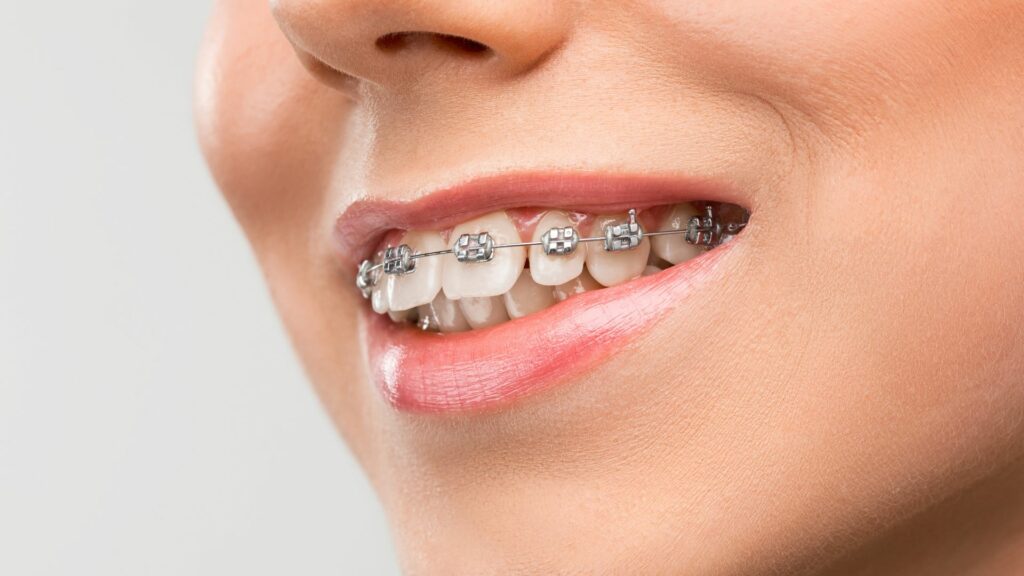
Orthodontics focuses on the alignment of teeth and jaws, providing both functional and aesthetic benefits. Proper alignment improves chewing, speaking, and overall oral hygiene, while reducing the risk of cavities, gum disease, and tooth wear. Families can benefit from orthodontic care at every age: children may require early intervention to guide jaw growth and tooth development, teenagers often pursue braces or clear aligners for alignment correction, and adults may seek orthodontic treatment to address long-standing bite issues. By understanding the importance of orthodontics and its role in oral health, families can make informed decisions to support strong, healthy smiles across generations.
Benefits of Orthodontic Treatment
Orthodontic treatment corrects misaligned teeth, overbites, underbites, crossbites, and crowding, promoting better oral function. Proper alignment reduces uneven wear on teeth, decreases jaw strain, and improves overall bite mechanics. Straight teeth are easier to clean, lowering the risk of plaque buildup, cavities, and gum inflammation. Orthodontic treatment also enhances facial symmetry and aesthetics, contributing to self-confidence and positive social interactions for both children and adults.
Early evaluation by an orthodontist allows for identification of potential alignment issues before they become severe. Treatments may involve interceptive measures such as palate expanders, space maintainers, or partial braces to guide jaw growth and tooth eruption. For older children, teens, and adults, braces, clear aligners, and other appliances straighten teeth and correct bite problems. Orthodontics not only improves appearance but also supports long-term oral health, preventing complications and ensuring functional teeth for life.
Orthodontics for Children
Children benefit from early orthodontic assessment to ensure proper dental development. Interceptive orthodontics can prevent or reduce the severity of future problems by guiding jaw growth and tooth eruption. Early treatment addresses crowding, crossbites, and other alignment issues, minimizing the need for more invasive procedures later. Pediatric orthodontics also focuses on creating healthy oral habits, including proper brushing and flossing techniques around orthodontic appliances.
Orthodontic treatment in children may involve removable or fixed appliances depending on age, growth stage, and specific dental issues. Parents play a key role by encouraging compliance with treatment instructions, supervising oral hygiene, and maintaining regular dental visits. Early intervention allows children to develop functional and aesthetically pleasing smiles, while establishing routines that promote oral health throughout life.
Orthodontics for Teenagers
Teenagers are the most common recipients of braces or clear aligners, correcting misaligned teeth and bite problems during adolescence. Treatment during this stage takes advantage of natural growth and facilitates proper jaw alignment, often resulting in shorter treatment times and better outcomes. Orthodontic care improves oral function, prevents excessive tooth wear, and enhances facial symmetry, which positively impacts self-esteem and social confidence.
Teen patients benefit from a combination of professional guidance and parental support. Clear aligners provide a discreet, removable option, while traditional braces remain highly effective for more complex cases. Orthodontists monitor progress, adjust appliances, and ensure that oral hygiene is maintained during treatment. Successful orthodontic intervention during adolescence sets the foundation for a lifetime of healthy, well-aligned teeth.
Orthodontics for Adults
Orthodontic treatment is increasingly popular among adults seeking to improve both aesthetics and oral function. Adult orthodontics addresses long-standing misalignment, bite issues, crowding, and spacing problems that may have persisted since adolescence. Options include traditional braces, clear aligners, and customized appliances designed for discreet and effective treatment. Proper alignment enhances oral hygiene, reduces the risk of cavities and gum disease, and improves overall dental function.
Treatment for adults may take longer than in children or teens due to fully developed jaw structures, but it remains highly effective. Orthodontists consider age-related factors, dental restorations, and bone health when designing treatment plans. By correcting alignment, adults experience improved chewing, reduced jaw discomfort, and a more aesthetically pleasing smile. Orthodontics for adults also contributes to long-term oral health by protecting teeth from wear and preventing future complications.
Integrating Orthodontics with Preventive Care
Orthodontic treatment works best when combined with consistent preventive care. Proper brushing, flossing, and regular dental checkups ensure that teeth and gums remain healthy throughout treatment. Nutritional choices, avoidance of hard or sticky foods, and adherence to orthodontist instructions prevent damage to appliances and maintain oral wellness. Families that integrate orthodontics with preventive practices experience better treatment outcomes and long-lasting oral health benefits.
Education is critical during orthodontic care, particularly for children and teens. Parents and caregivers play a supportive role in monitoring hygiene, encouraging compliance, and maintaining communication with dental professionals. For adults, preventive care alongside orthodontic treatment preserves the results and ensures overall dental health. A comprehensive approach combining orthodontics and preventive dentistry strengthens smiles and promotes functional, confident oral health for the whole family.
FAQs
At what age should children first see an orthodontist?
The American Association of Orthodontists recommends a first evaluation by age seven to identify potential issues early.
Can adults benefit from orthodontic treatment?
Yes, adults can correct misalignment, improve bite function, and enhance aesthetics with options like braces or clear aligners.
How long does orthodontic treatment take?
Treatment duration varies by age and complexity but typically ranges from 12 to 36 months.
Are clear aligners as effective as traditional braces?
Yes, for many cases, clear aligners can be as effective as braces, though complex bite issues may still require traditional appliances.
Do orthodontic treatments hurt?
Mild discomfort is normal during adjustments, but it is generally manageable and temporary.
Can orthodontics prevent future dental problems?
Yes, proper alignment reduces tooth wear, cavities, gum disease, and jaw strain, supporting long-term oral health.
How often are checkups needed during orthodontic treatment?
Patients typically visit the orthodontist every 4–8 weeks for adjustments and monitoring.
Do children need retainers after braces?
Yes, retainers help maintain alignment and prevent teeth from shifting after orthodontic treatment.
Can seniors undergo orthodontic treatment?
Yes, adults and seniors can benefit from orthodontics if their oral health and bone structure allow.
Is orthodontic treatment covered by insurance?
Coverage varies; some plans partially cover orthodontics, especially for children, while adult treatment is often elective.
Conclusion
Orthodontics plays a vital role in supporting oral health, function, and aesthetics for all family members. Children benefit from early intervention, teens achieve proper alignment during growth, and adults and seniors can correct long-standing dental issues.
Combining orthodontic treatment with preventive care, proper hygiene, and lifestyle habits ensures optimal results and lasting oral health. Families who prioritize orthodontics enjoy functional, attractive, and confident smiles that last a lifetime.
