

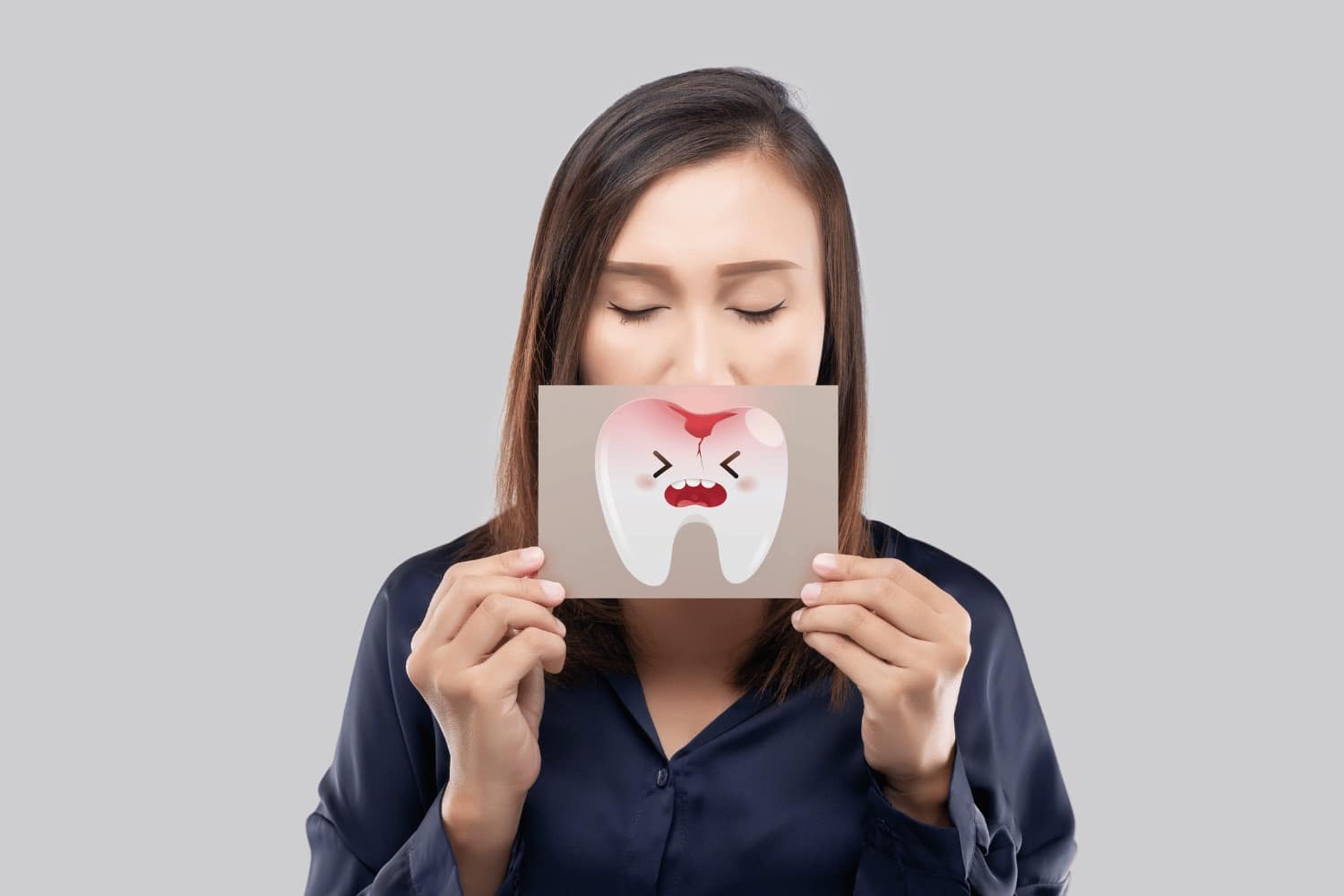
Tooth decay is one of the most common dental problems affecting both children and adults. It occurs when bacteria in the mouth produce acids that erode tooth enamel, leading to cavities, pain, and potential tooth loss if left untreated. Poor oral hygiene, high-sugar diets, and irregular dental visits increase the risk of decay. Families can prevent tooth decay through consistent oral care, routine dental checkups, and healthy lifestyle choices. Early detection and timely treatment not only preserve teeth but also prevent complications that may impact overall health, making awareness and proactive care essential for maintaining strong, healthy smiles.
Causes and Risk Factors of Tooth Decay
Tooth decay begins with the accumulation of plaque, a sticky film of bacteria that forms on teeth after eating or drinking. When plaque is not removed through proper brushing and flossing, the bacteria produce acids that gradually dissolve enamel and create cavities. Diets high in sugar and starch, frequent snacking, and acidic beverages contribute to this process. Additionally, inadequate fluoride exposure, dry mouth conditions, and certain medical conditions increase susceptibility to decay.
Genetics and family habits also influence tooth decay risk. Children of parents with poor oral hygiene may be more prone to cavities, and shared dietary habits can impact enamel health. Environmental factors, such as access to clean water and dental care, play a role as well. Recognizing these risk factors helps families implement preventive measures and ensure that each member maintains strong, cavity-free teeth.
Preventive Measures for Children
Preventing tooth decay in children begins with establishing proper oral hygiene routines. Brushing twice daily with fluoride toothpaste and flossing between teeth removes plaque and strengthens enamel. Introducing children to regular dental visits at an early age helps identify potential issues and reinforces healthy habits. Dental sealants are often applied to molars to protect deep grooves from decay, providing an additional barrier against cavities.
Dietary choices also impact children’s dental health. Limiting sugary snacks and beverages, providing nutritious foods rich in calcium, vitamin D, and phosphorus, and encouraging water consumption support strong enamel and gum development. Parents can model proper oral hygiene and supervise brushing and flossing to ensure consistency and technique, creating a foundation for lifelong oral health.
Preventive Measures for Adults
Adults are also susceptible to tooth decay, particularly around fillings, crowns, or in hard-to-clean areas. Maintaining proper brushing and flossing techniques is essential to remove plaque and prevent cavities. Fluoride treatments, either through toothpaste, mouth rinses, or professional applications, strengthen enamel and reduce decay risk. Regular dental checkups allow for early detection and treatment of cavities before they progress to more serious problems.
Lifestyle choices, including limiting sugary or acidic foods, avoiding tobacco, and staying hydrated, help prevent enamel erosion and decay. Adults with dry mouth or certain medical conditions should take additional precautions, such as using saliva substitutes or specialized oral care products. Preventive care combined with professional guidance ensures that adults maintain healthy teeth, reduce the need for invasive treatments, and preserve oral function throughout life.
Treatment Options for Tooth Decay
Treatment for tooth decay depends on severity. Early-stage cavities may be treated with fluoride applications, remineralization therapies, or small fillings. As decay progresses, dental fillings, crowns, or root canal treatments may be necessary to restore function and prevent infection. For severe decay, tooth extraction and replacement with implants or bridges may be required. Prompt treatment reduces pain, preserves tooth structure, and prevents the spread of infection.
Modern dentistry offers advanced materials and techniques to treat decay effectively while minimizing discomfort. Tooth-colored fillings, laser dentistry, and minimally invasive procedures allow patients to restore teeth while maintaining natural aesthetics. Follow-up care and adherence to oral hygiene recommendations are essential for preventing recurrence, ensuring long-term oral health for children, adults, and seniors alike.
Lifestyle Habits to Prevent Tooth Decay
In addition to regular dental visits, daily habits play a significant role in preventing decay. Brushing twice daily, flossing, rinsing with fluoride mouthwash, and maintaining a balanced diet help protect enamel and gum health. Reducing sugary and acidic foods, limiting snacking between meals, and drinking plenty of water reduce bacterial activity and acid production.
Families can reinforce healthy habits by creating structured routines, monitoring children’s brushing and flossing, and encouraging consistent care for all members. Adults and seniors should remain diligent in hygiene, particularly around restorations or vulnerable teeth. By combining preventive care, lifestyle choices, and professional guidance, families can maintain strong teeth, avoid decay, and enjoy healthy, confident smiles for life.
FAQs
What causes tooth decay?
Bacteria in plaque produce acids that erode enamel, often triggered by sugary or acidic foods and poor oral hygiene.
How can children prevent cavities?
Brush twice daily with fluoride toothpaste, floss regularly, limit sugary foods, and visit the dentist regularly.
Are adults at risk for tooth decay?
Yes, especially around fillings, crowns, or in areas that are difficult to clean.
What treatments are available for cavities?
Treatments include fluoride applications, fillings, crowns, root canals, or, in severe cases, extractions with restorations.
Can diet impact tooth decay?
Yes, reducing sugar and acidic foods, and consuming calcium-rich foods, strengthens enamel and prevents cavities.
Are dental sealants effective for children?
Yes, sealants protect deep grooves on molars from decay and are highly effective for preventive care.
How often should teeth be checked for decay?
Most patients should have dental checkups every six months, though frequency may increase for high-risk individuals.
Can fluoride prevent tooth decay?
Yes, fluoride strengthens enamel, making it more resistant to acid attacks and cavities.
Is tooth decay reversible?
Early-stage enamel demineralization can sometimes be reversed with proper fluoride use and hygiene, but cavities require professional treatment.
Does tooth decay affect overall health?
Yes, untreated decay can lead to infections that impact overall health, including systemic inflammation and pain.
Conclusion
Tooth decay is preventable and manageable with proper hygiene, dietary choices, and regular dental care. Families who prioritize preventive care can avoid serious complications and preserve oral health for all ages.
Children benefit from early education, sealants, and supervised hygiene, while adults maintain function and aesthetics through consistent care and professional guidance. By combining prevention, early detection, and timely treatment, families can ensure strong, healthy teeth and confident smiles throughout life.
